
The world of Brazilian popular music (MPB) and the Brega genre mourns and reflects today following the passing of Lindomar Castilho. Known as the legendary “King of Bolero,” Castilho died on Saturday, December 21, 2024, at the age of 85. His death was confirmed by his daughter, Lili de Grammont, though an official cause of death has not been released to the public.
Castilho’s life was a complex tapestry of unparalleled artistic success and a dark, career-defining tragedy that changed the landscape of Brazilian social discourse. As news of his passing spreads, fans and critics alike are looking back at a man who was once one of the best-selling artists in Brazil, but whose name became synonymous with a landmark criminal case.
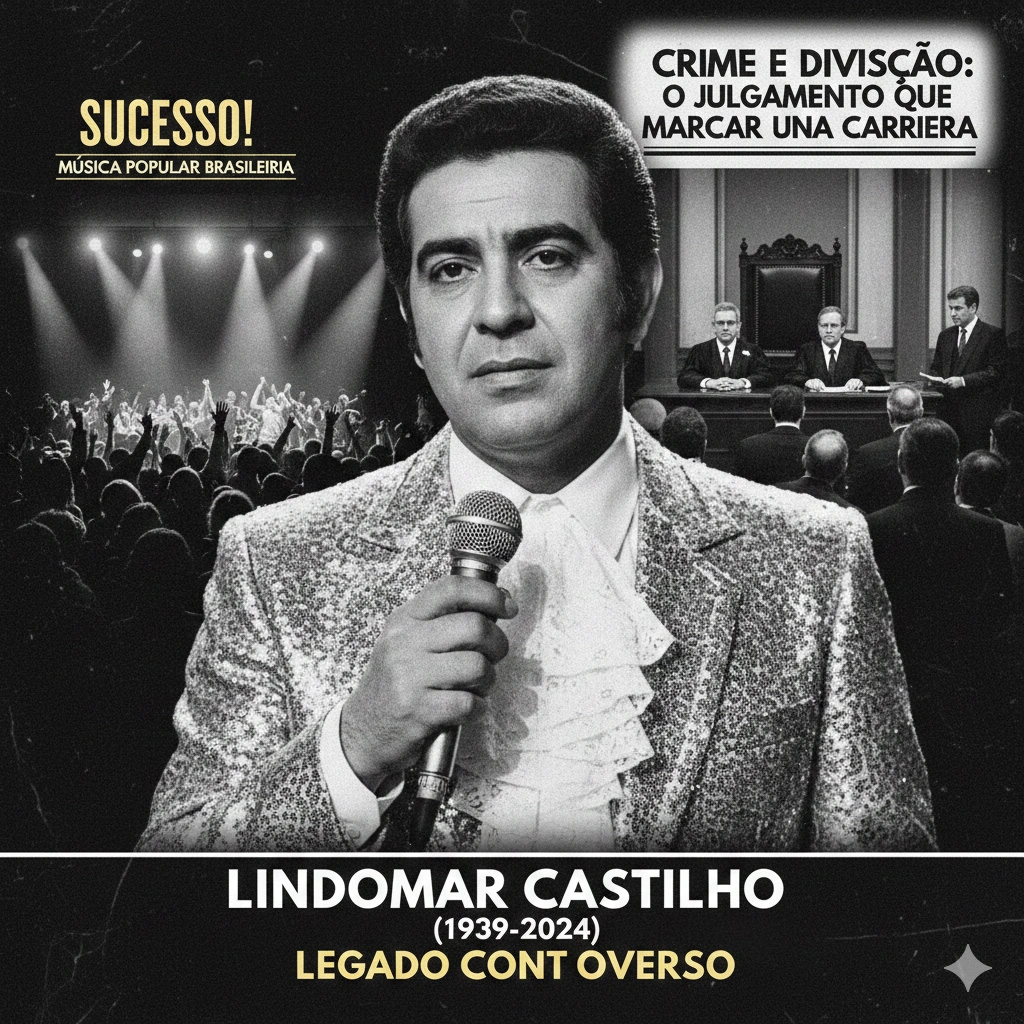
The Rise of a Romantic Icon
Born in Rio Verde, Goiás, Lindomar Castilho became a household name in the 1970s. His deep, resonant voice and emotive delivery captured the hearts of millions, earning him the title of the King of Bolero. His music sat at the intersection of romantic boleros and the “Brega” style—a genre often associated with the working class, characterized by its sentimental and melodramatic themes.
During his peak, Castilho was a commercial powerhouse. His discography includes some of the most recognizable tracks in Brazilian history:
- “Vou rifar meu coração”: Perhaps his most famous hit, a song that solidified his status as a romantic idol.
- “Você é doida demais”: A track that enjoyed a resurgence in modern pop culture, even being featured in the hit TV series Os Normais.
At the height of his fame, Castilho’s influence rivaled that of other romantic titans of the era, moving millions of records and headlining sold-out performances across South America.
The 1981 Tragedy: A Career Derailed
Despite his immense talent, Lindomar Castilho’s musical achievements are inseparable from the murder of Eliane de Grammont. In 1981, in a fit of jealousy and rage, Castilho entered a nightclub in São Paulo where his ex-wife, singer Eliane de Grammont, was performing. In front of a live audience, he shot and killed her.
The crime shocked the nation and became a pivotal moment in the fight against femicide and domestic violence in Brazil. The legal proceedings were a media sensation. Castilho was eventually convicted and sentenced to 12 years in prison. He served a significant portion of his sentence before being released in the 1990s.
Life After Prison and Artistic Reappearance
Following his release, the “King of Bolero” attempted to reclaim his place in the spotlight, though the shadow of his past loomed large. In the year 2000, he released a live album, trying to reconnect with a public that had largely moved on. While some loyal fans continued to appreciate his vocal prowess, the broader cultural shift toward protecting women’s rights meant that his presence in the media remained divisive.
In his later years, Castilho lived a relatively quiet life, away from the frenetic energy of the 1970s stage. However, his music never truly disappeared, often appearing in film soundtracks and nostalgic radio programs.
Legacy and Impact on Brazilian Music
The death of Lindomar Castilho has prompted reflection on his complex legacy. On one hand, he played a pivotal role in popularizing bolero and brega music in Brazil, leaving behind timeless songs that still resonate. On the other hand, his criminal actions have permanently affected public perception, challenging fans and scholars to reconcile his artistic influence with his criminal history.
His story serves as a reminder of the duality often present in public figures—exceptional talent intertwined with personal failings. While debates over his legacy continue, his contribution to Brazilian music culture remains significant.
The Divided Legacy of Lindomar Castilho
The death of Lindomar Castilho at age 85 reignites a difficult conversation about the separation of art and the artist.
- The Musical Impact: To music historians, he remains a vital figure who helped define the Bolero-Brega movement in Brazil. His technical skill and ability to translate heartbreak into melody were undeniable.
- The Social Impact: To social activists and the family of Eliane de Grammont, his name is a reminder of the urgent need to combat violence against women.
As we reflect on the passing of this Brazilian music icon, the country is reminded of the duality of his life. Lindomar Castilho was a man who sang of love and heartbreak with such passion that he moved a nation, yet he committed an act of violence that silenced a fellow artist forever.
His passing marks the end of a long, storied, and deeply controversial career. Whether remembered for his golden voice or his darkest hour, Lindomar Castilho’s footprint on Brazilian culture is permanent.
Source: Agenda do Poder
For more regional updates and industry insights, visit our Brazil News Page.