
The role of sports therapists in Indonesia is gaining significant attention as athletes, teams, and active individuals increasingly rely on professional support for injury prevention, recovery, and performance enhancement. Unlike traditional massage, sports therapy is a scientifically grounded field, requiring formal education and specialized knowledge in anatomy, physiology, and sports science.
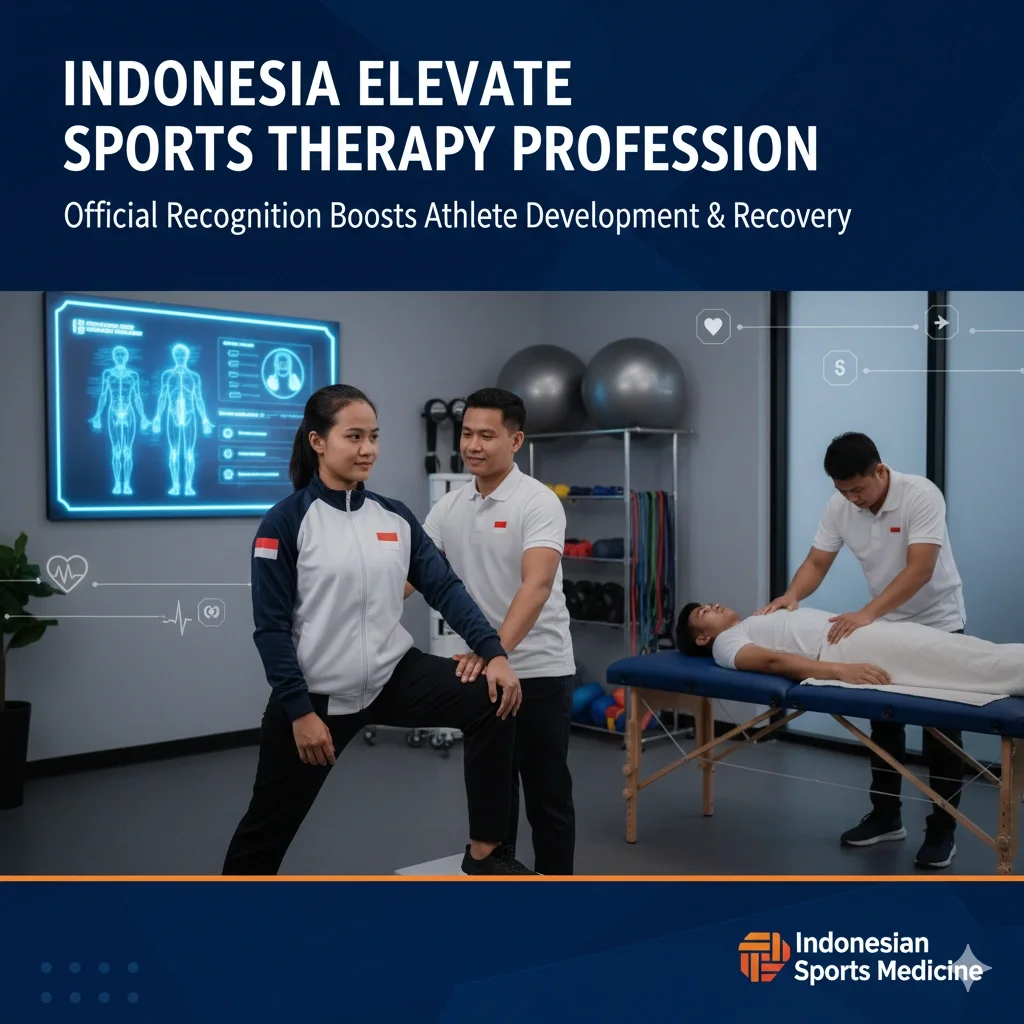
Importance of Sports Therapists in Athletic Performance
According to Drs. Firmansyah, chairman of the Jakarta Indonesian Sports Therapist Association (PTOI), sports therapists are indispensable across training and competitive stages. They help athletes maintain peak physical condition, optimize performance, and minimize the risk of injuries. With evidence-based techniques, sports therapists address musculoskeletal imbalances, guide recovery protocols, and provide preventive care tailored to each athlete.
The profession supports not only elite athletes but also sports students and recreational participants who are prone to injuries. As sports participation grows in Indonesia, so does the recognition of the critical role these professionals play in sustaining athlete longevity and safety.
Education and Certification Standards
Unlike traditional massage practitioners, sports therapists in Indonesia undergo formal training. Programs typically include coursework in anatomy, biomechanics, exercise physiology, and injury management, ensuring practitioners can diagnose conditions and implement effective recovery strategies.
The PTOI has introduced a tiered certification system, standardizing skills and professional competency across the field. Assessments range from elementary to advanced levels, overseen by senior experts. This structured approach ensures consistent professional standards, enabling athletes and institutions to rely confidently on qualified sports therapists.
Growing Market Demand
Indonesia’s sports industry is expanding rapidly, with rising participation in football, badminton, basketball, martial arts, and athletics. This growth fuels demand for certified sports therapists who can support high-performance training, rehabilitation, and long-term athletic development.
Clubs, sports academies, and schools are increasingly integrating sports therapy services into their programs. The move reflects a broader recognition of health science in sports, emphasizing prevention and evidence-based recovery as essential to sustainable success.
Looking Ahead: Professionalization and Expansion
As sports therapists in Indonesia gain recognition, the field is poised for further professionalization. PTOI’s certification programs, coupled with increasing awareness among athletes, schools, and recreational sports enthusiasts, are expected to strengthen the quality and accessibility of sports therapy nationwide. The expansion of this discipline promises safer, more effective training environments and a higher standard of athlete care throughout Indonesia.
For the latest updates from Indonesia, visit our Indonesia news page.