
The 30th United Nations Climate Change Conference (COP30) opened on Monday in Belem, Brazil, bringing together world leaders, scientists, and environmental advocates to accelerate global climate action. Delegates from more than 190 countries are attending the summit, which emphasizes cooperation and shared responsibility in confronting the escalating climate crisis.
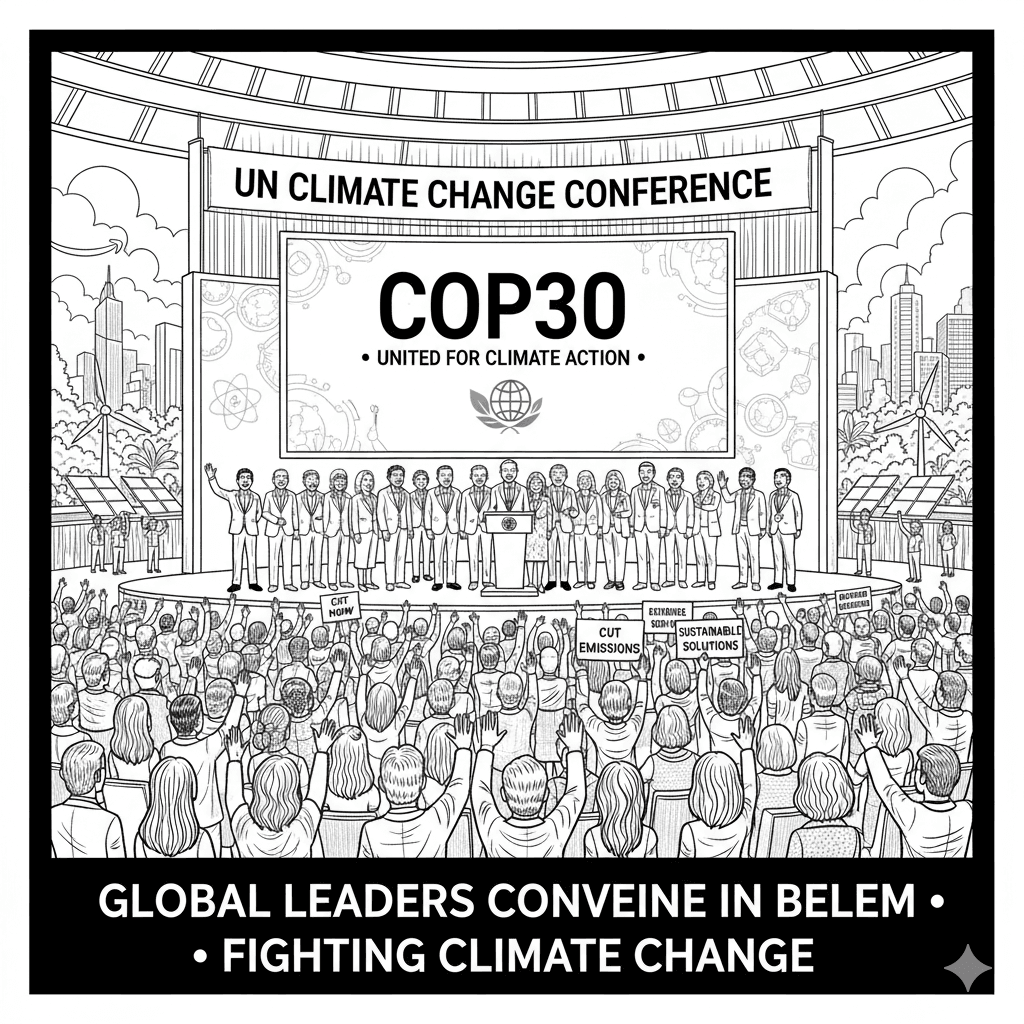
COP30 in Belem: A Call for Global Cooperation
Held in the heart of the Brazilian Amazon, COP30 serves as a critical platform for countries to evaluate progress on climate goals, discuss sustainable development, and strengthen commitments to reduce greenhouse gas emissions.
During the opening ceremony, UN Climate Chief Simon Stiell urged nations to prioritize unity and urgency over political disputes, stating:
“Your job here is not to fight one another – your job here is to fight this climate crisis, together.”
Stiell acknowledged that while recent climate efforts have yielded progress, current measures remain insufficient. He emphasized that nations must move “much, much faster” to meet the targets set under the Paris Agreement.
Brazil Takes Center Stage at COP30
Hosting the conference for the first time in over a decade, Brazil has positioned itself as a leader in global climate diplomacy. President Luiz Inacio Lula da Silva described climate change as “a tragedy of the present,” denouncing misinformation and attacks on environmental science.
Lula highlighted the significance of holding COP30 in the Amazon, one of the world’s most vital ecosystems, underscoring that protecting rainforests is essential to stabilizing the global climate.
Indigenous Voices and the Human Cost of Climate Change
Indigenous representatives, including Pablo Inuma Flores from Peru, delivered emotional appeals for concrete action rather than symbolic promises. He reminded delegates that Indigenous communities are among the most affected by deforestation, extreme weather, and ecosystem loss.
“We don’t want more speeches. We want action,” Flores said, capturing the frustration of many frontline communities.
Their participation reinforces the message that climate justice must include social equity, respect for local knowledge, and protection of vulnerable populations.
Scientific Warnings and UN Findings
A new UN analysis released during COP30 revealed that current national climate pledges fall far short of the reductions required by 2035 to limit global temperature rise to 1.5°C above pre-industrial levels.
Climate scientists issued a joint statement warning of the accelerating destabilization of glaciers, ice sheets, and permafrost. They stressed that geopolitical tensions and short-term economic interests must not derail urgent climate cooperation.
U.S. Absence Noted Amid Global Participation
One of the most discussed aspects of COP30 is the absence of the United States, following President Donald Trump’s decision not to participate. Former U.S. climate envoy Todd Stern criticized the move as “not constructive,” warning that it could hinder global momentum.
Despite this absence, COP30 President Andre Correa do Lago suggested it opens an opportunity for developing nations to take the lead, demonstrating their commitment to climate solutions and sustainable growth.
The Road Ahead for COP30
Over the 12-day conference, participants will focus on concrete action plans for renewable energy expansion, carbon reduction targets, and financing for developing nations. The conference aims to translate past promises into measurable outcomes that can steer the world closer to its net-zero emissions goals.
As COP30 progresses, leaders continue to stress that no nation can combat the climate crisis alone. The conference stands as a reminder that collaboration, innovation, and accountability remain humanity’s best hope for a sustainable future.
Learn More
For more regional updates and industry insights, visit our Brazil News Section