
Welcome to 360 News Orbit – Your Home for Global News
Asia: The World’s Largest and Most Populous Continent
Asia is the world’s largest continent, marked by remarkable geographic variety — from the towering Himalayas and vast Siberian plains to the deserts of Arabia and tropical regions of the south. It experiences some of the planet’s most extreme climates, ranging from arctic cold to equatorial heat, and is celebrated for its extraordinary cultural, linguistic, and economic diversity.
Population
Area
Africa
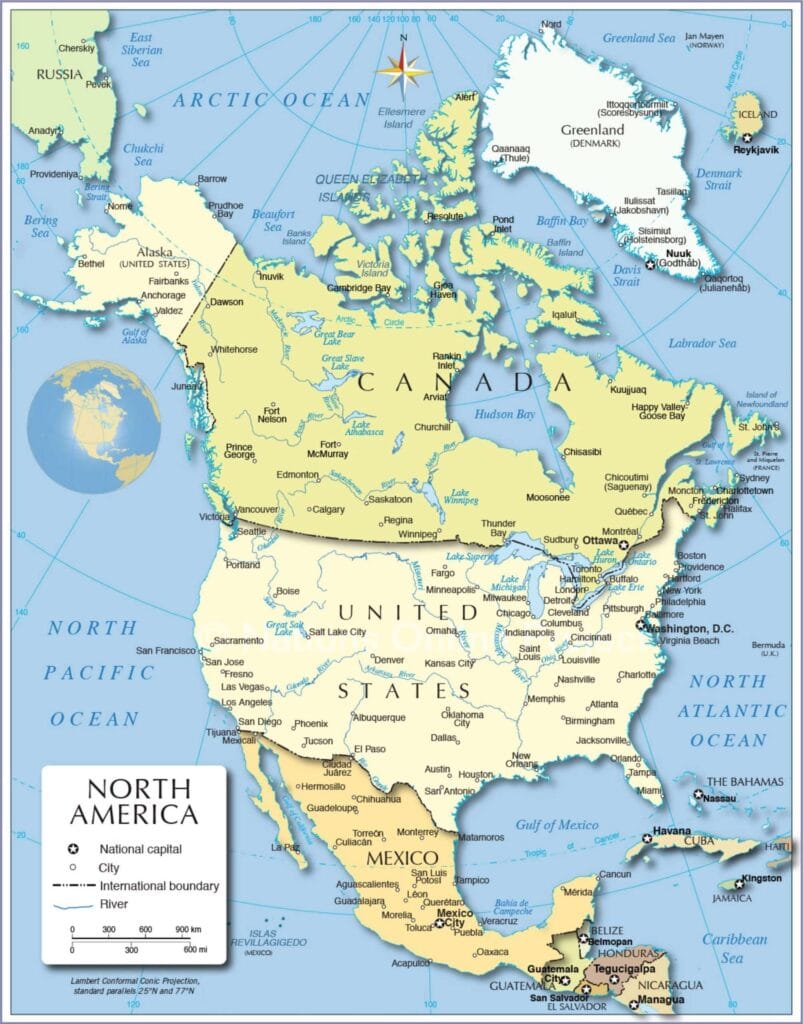
North America
Population
Area
Australia: Small Continent, Big Country
Area: 7.7 M km²
Population: 26 M
Divisions: 6 States & 2 Territories
Location: Southern Hemisphere
Australiais the world’s smallest continent and the only one that is also a single nation. Surrounded by the Indian and Pacific Oceans in the Southern Hemisphere, it features ancient plateaus, arid deserts, tropical coastlines, and ecosystems found nowhere else on Earth. Known for its stable geology, unique wildlife, and rich biodiversity, Australia offers a blend of natural beauty, modern development, and high living standards.
Antarctica
Antarctica is the southernmost and fifth-largest continent, covering about 14 M km², almost entirely blanketed by ice. It holds nearly 70% of the world’s freshwater and experiences the coldest, driest, and windiest conditions on Earth. With no permanent population or countries, it hosts international research stations under the Antarctic Treaty System. Its massive ice sheets play a vital role in regulating global climate and sea levels.

Europe
Europe , the second smallest continent, spans about 10.18 million sq km yet has played a major role in shaping world history and culture. It is bordered by the Arctic Ocean to the north, the Atlantic Ocean to the west, and the Mediterranean Sea to the south. Home to over 740 million people across 44 countries, Europe features diverse landscapes — from the Alps and Carpathians to vast plains and river systems. It experiences mainly temperate climates and stands out for its cultural heritage, scientific advancements, and political influence throughout history.